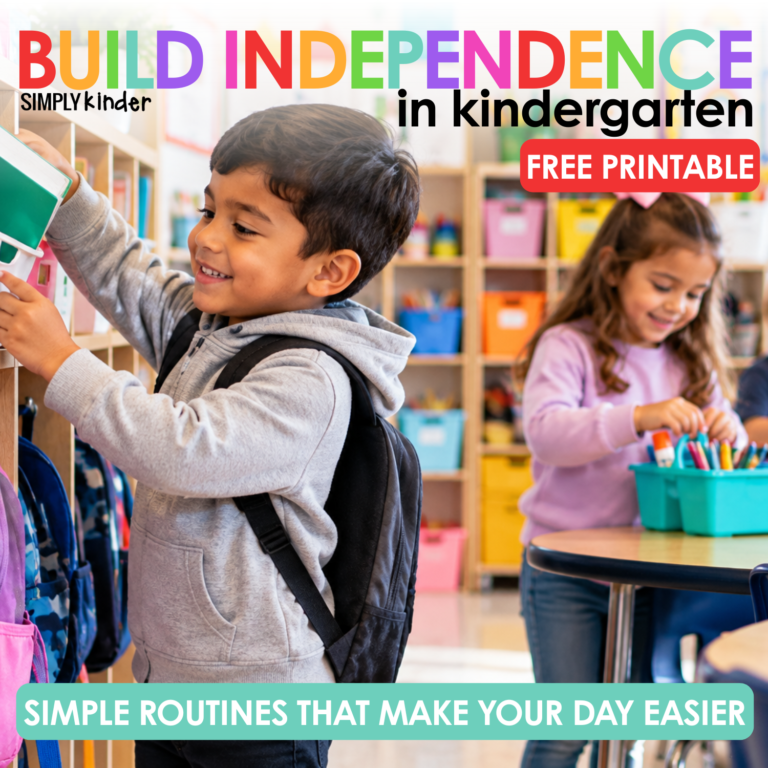
Kindergarten teachers have a lot to manage throughout the day. From unpacking backpacks to cleaning up supplies, it can sometimes feel like you are doing everything for everyone! The good news is that building independence in kindergarten starts with simple, consistent daily routines. When students know what to do, where to find materials, and how to solve small problems, they become more confident and capable learners.
1. Use Visual Directions
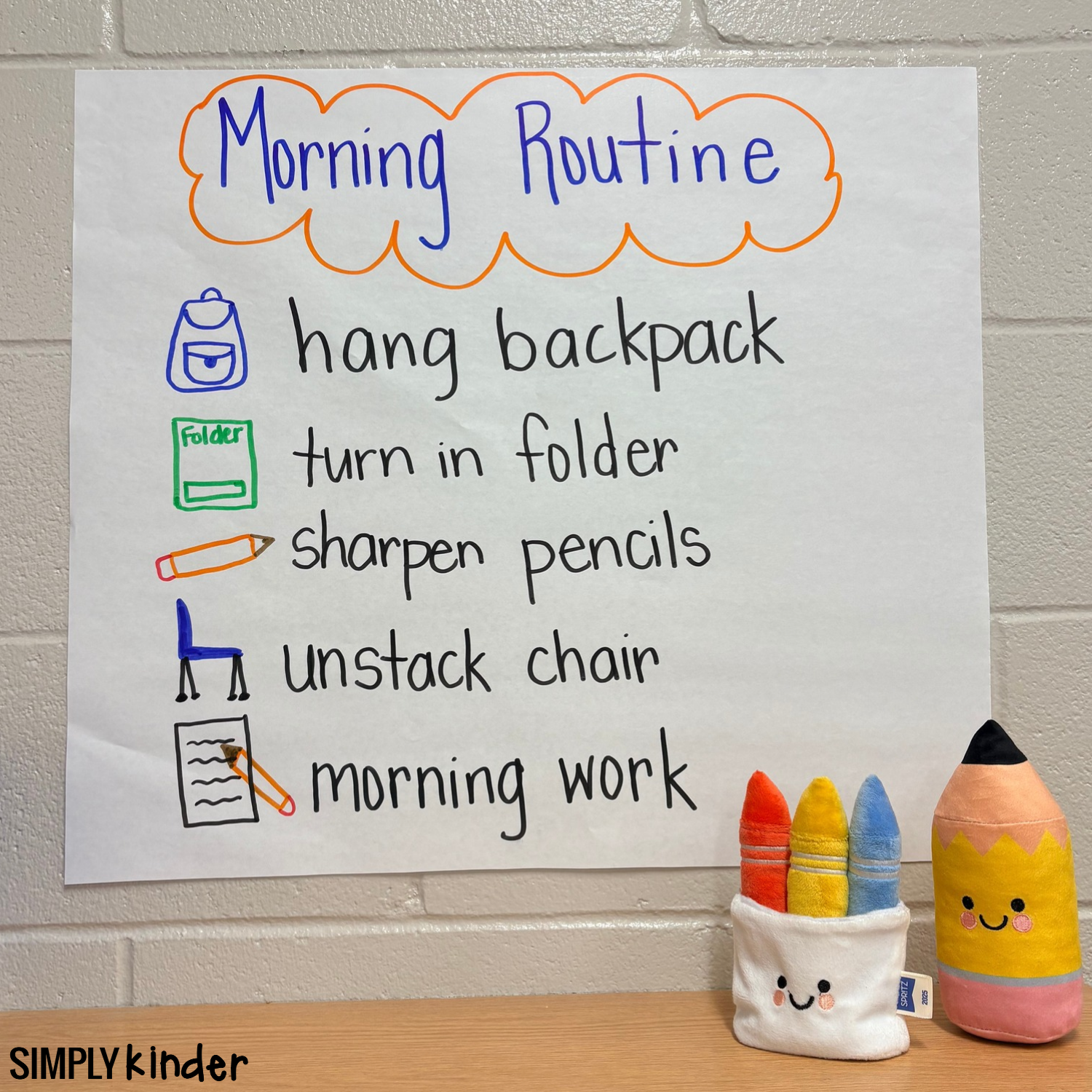
Visual directions help kindergarten students remember what to do without relying on repeated verbal reminders. Create picture directions for common routines, such as unpacking backpacks, completing morning work, or cleaning up centers. Use pictures alongside words so students can follow the steps even if they are not reading independently yet.
2. Model Every Routine
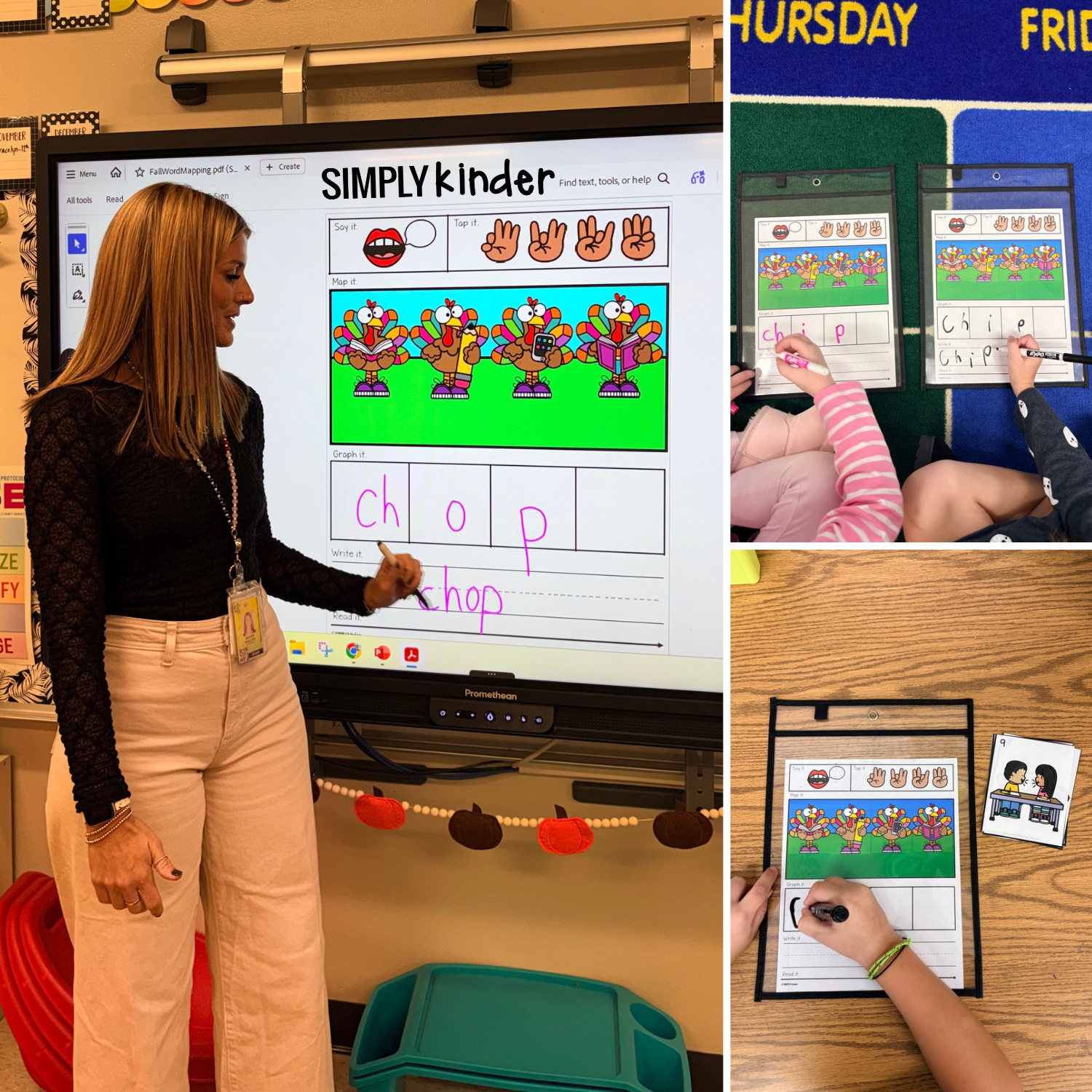
Never assume students know how to complete a routine just because you explained it. Show them exactly what to do! Use the simple process of modeling, practicing together, and trying independently.
3. Use Gradual Release
Building independence takes time. Start by providing plenty of support, then gradually let students take responsibility.
- I do: Model the routine while students watch.
- We do: Practice together with your guidance.
- You do together: Let students practice with a partner.
- You do: Encourage students to complete the routine independently.
More Classroom Resources You’ll Love


4. Teach Material Management
Students are more independent when they know where materials belong and how to use them.
Try these simple strategies:
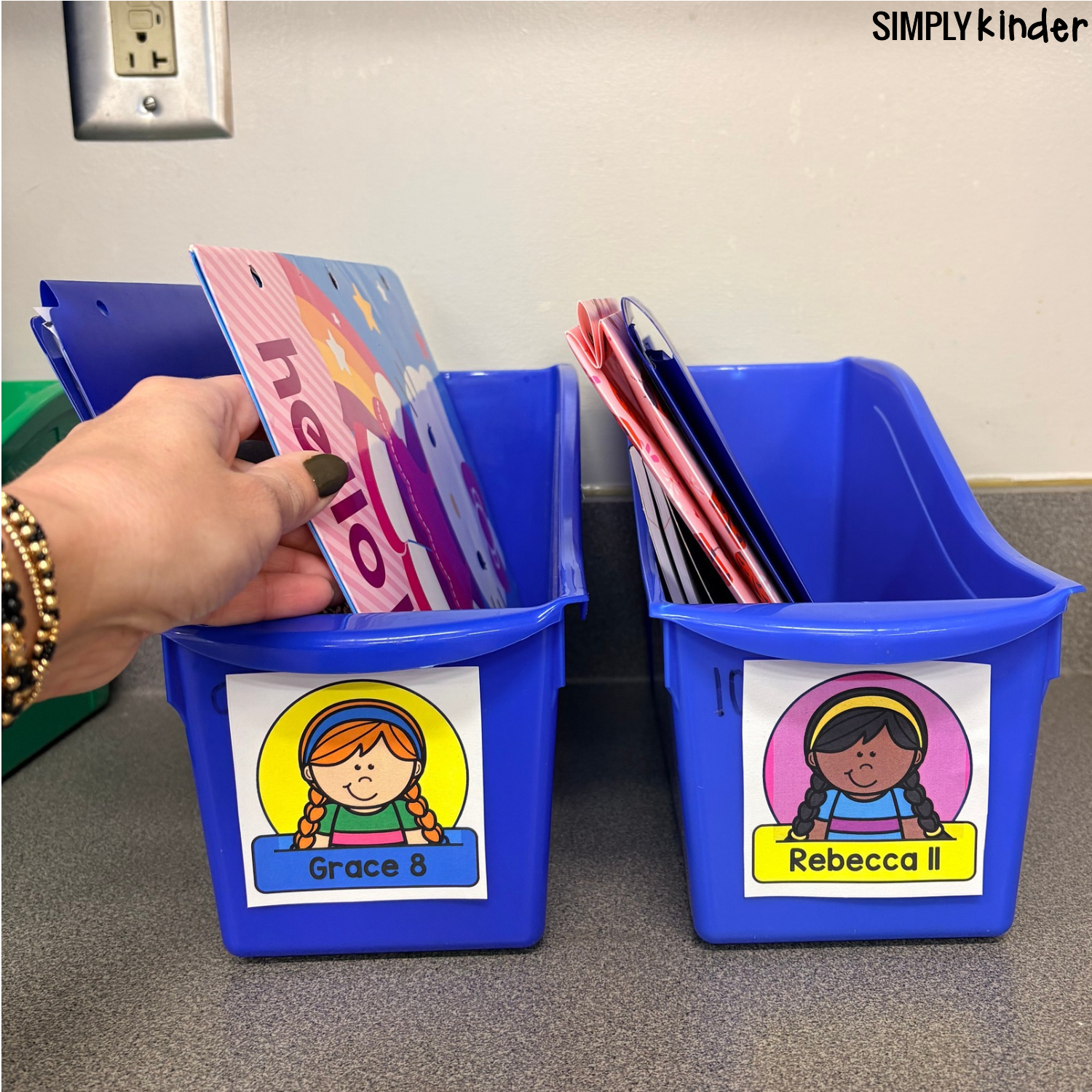
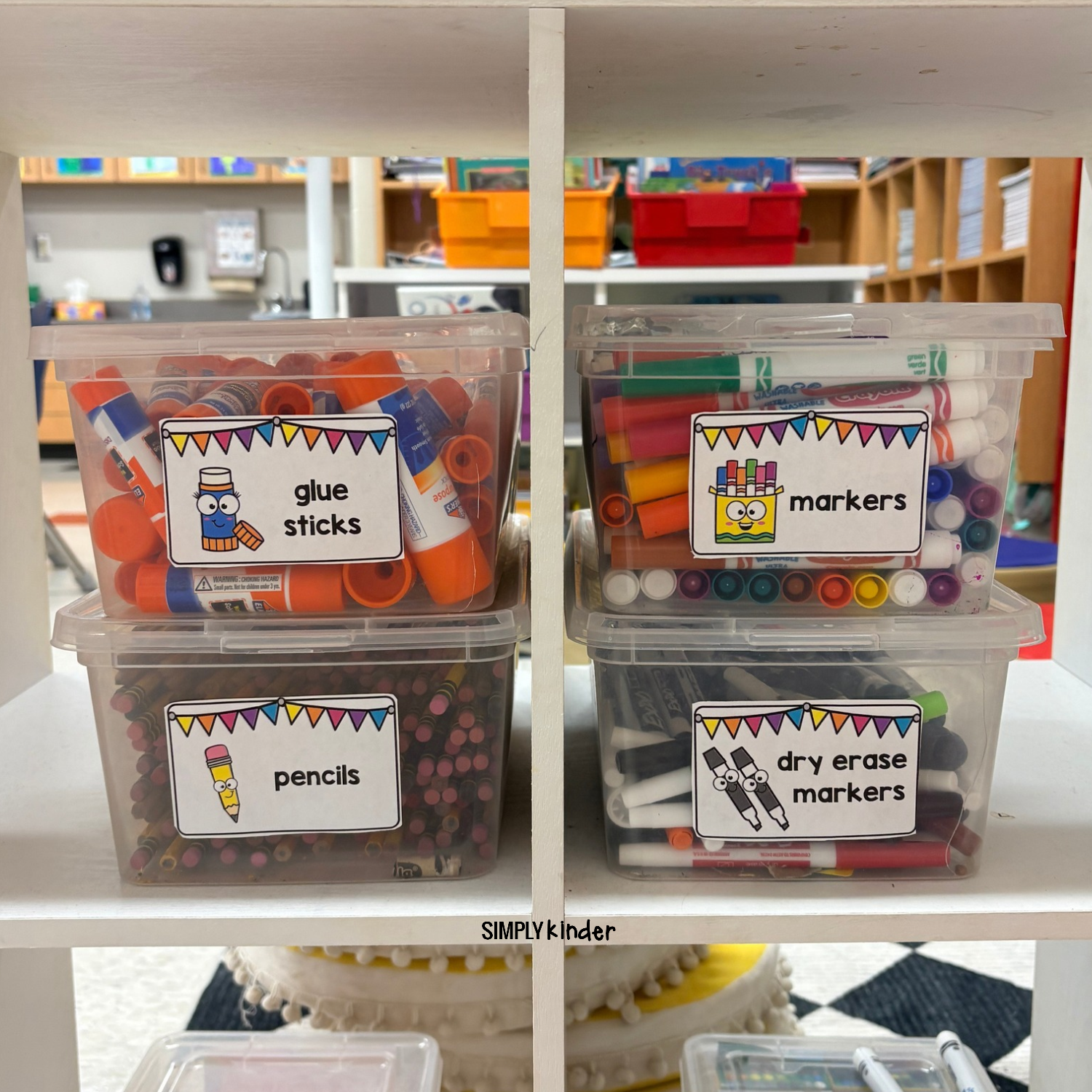
- Label bins with pictures and words.
- Give frequently used supplies a consistent home.
- Keep materials within students’ reach.
- Show students where finished work belongs.
- Teach students to return materials before moving on.
5. Teach Students How to Ask for Help
Independence does not mean students must solve every problem alone. It means knowing what to try before asking for help. When students encounter a problem, teach them to:
- Stop and take a breath.
- Look at the visual directions.
- Try the next step they already know.
- Ask a nearby classmate if appropriate.
- Ask the teacher for help if they are still stuck.
6. Encourage Self Checking
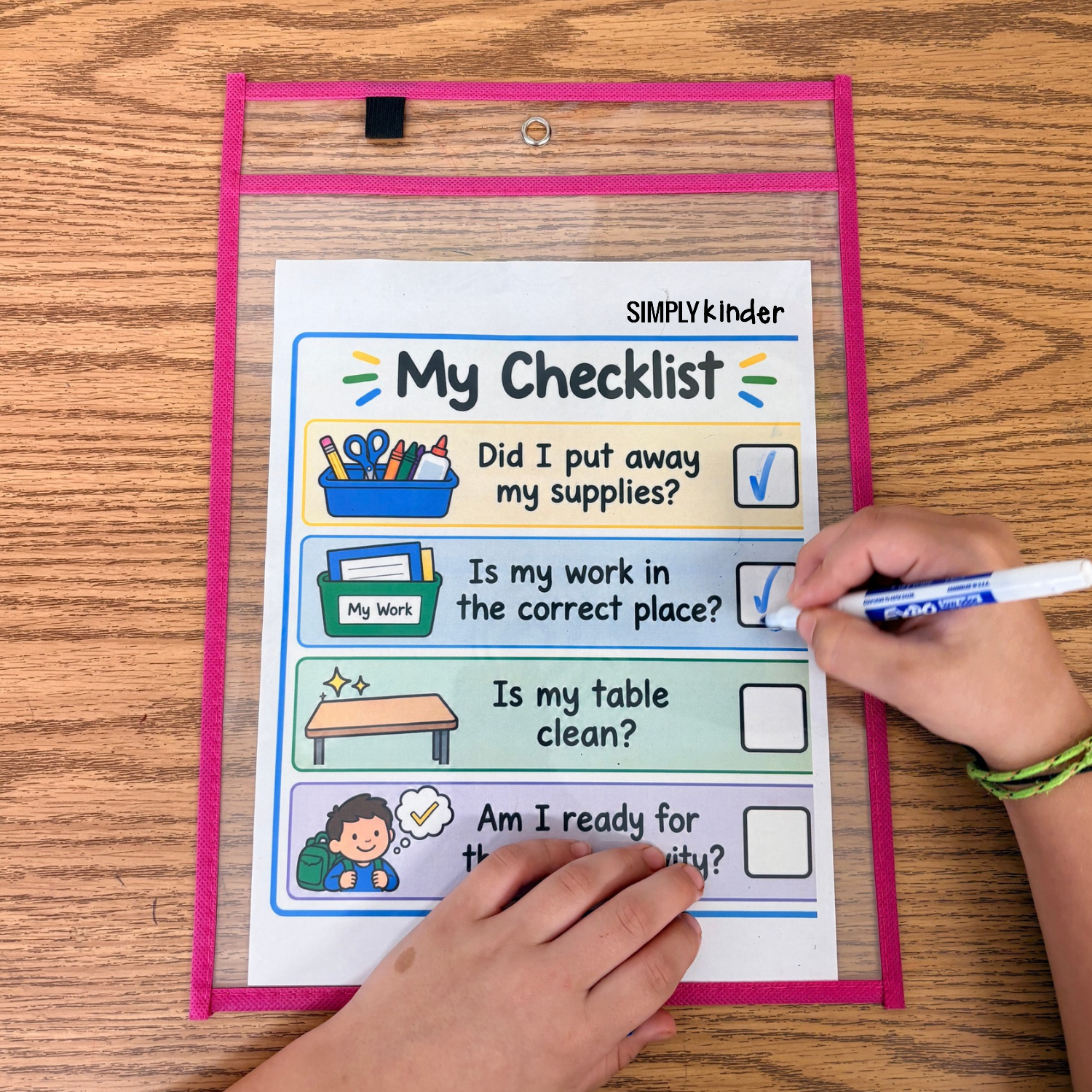
Help students learn to check their work and surroundings before moving on. Picture checklists make this process easier for young learners. Celebrate when students notice and correct something independently.
7. Practice Routines Throughout the Year
Routines are not just for the first week of school. Kindergarten students need regular opportunities to review and practice expectations, especially after weekends, school breaks, or changes to the daily schedule.
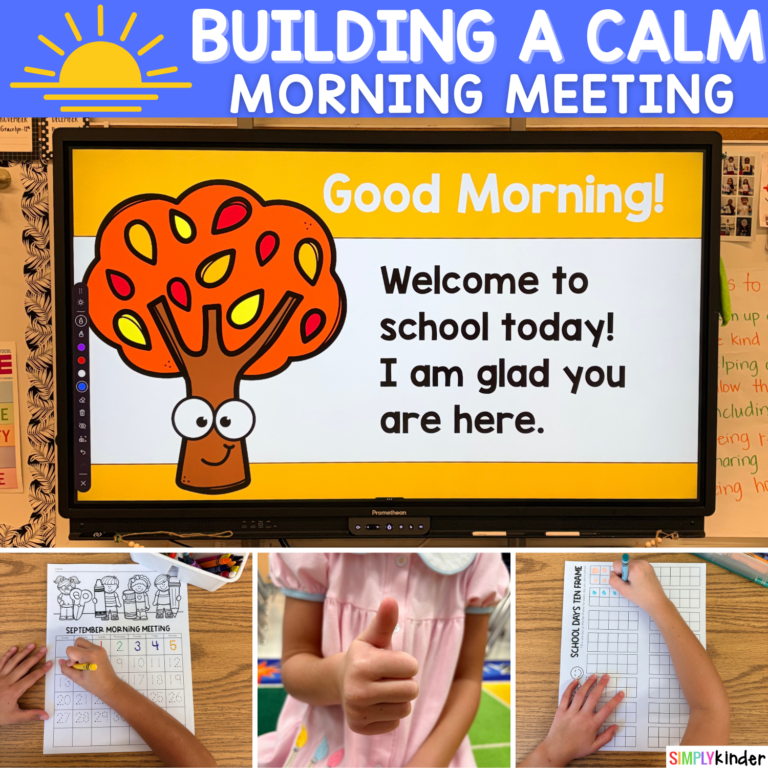
Morning meeting is a great time to reinforce classroom routines and build independence. Use a few minutes each morning to review expectations, talk through common classroom situations, or practice what students should do during transitions.
8. Support Independence at Home
Share ideas with families on how they can help their student become more independent at home. This printable parent handout shares simple ways families can encourage independence through age-appropriate chores and everyday responsibilities. Grab your FREEBIE from Simply Kinder + HERE!
Prefer to shop direct? We’ve got you.

Build Independence One Routine at a Time
Building independence in kindergarten does not require complicated systems or hours of preparation. It starts with clear directions, intentional modeling, and consistent practice. Choose one routine that currently requires lots of reminders. Teach it, practice it, and celebrate as students begin managing it on their own.
Remember, the goal is not a classroom where students never need their teacher. It is a classroom where students feel capable, supported, and ready to try.