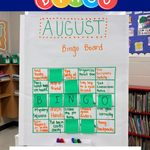


If you are looking for a simple and fun way to encourage positive behavior, classroom bingo might be just what you need. This monthly classroom management idea gives students a visual goal to work toward while helping you focus on the positive behaviors happening throughout the day.
The best part is that your BINGO board can change every month. You can create a seasonal board, choose behaviors your class needs to practice, or even add a few silly challenges to keep students excited. Keep reading for ideas on how to use Classroom Bingo for positive reinforcement!
Check out these related posts:


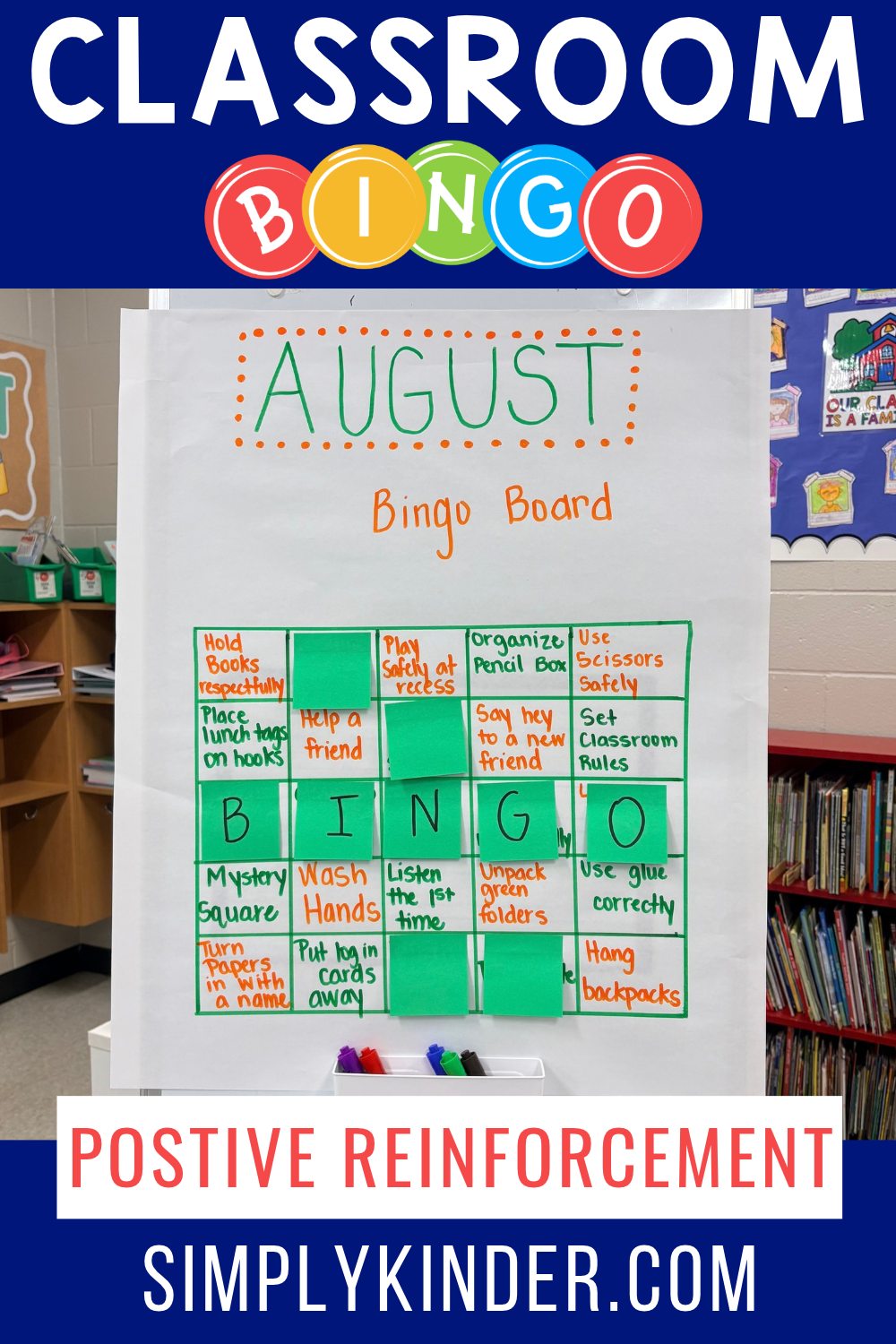
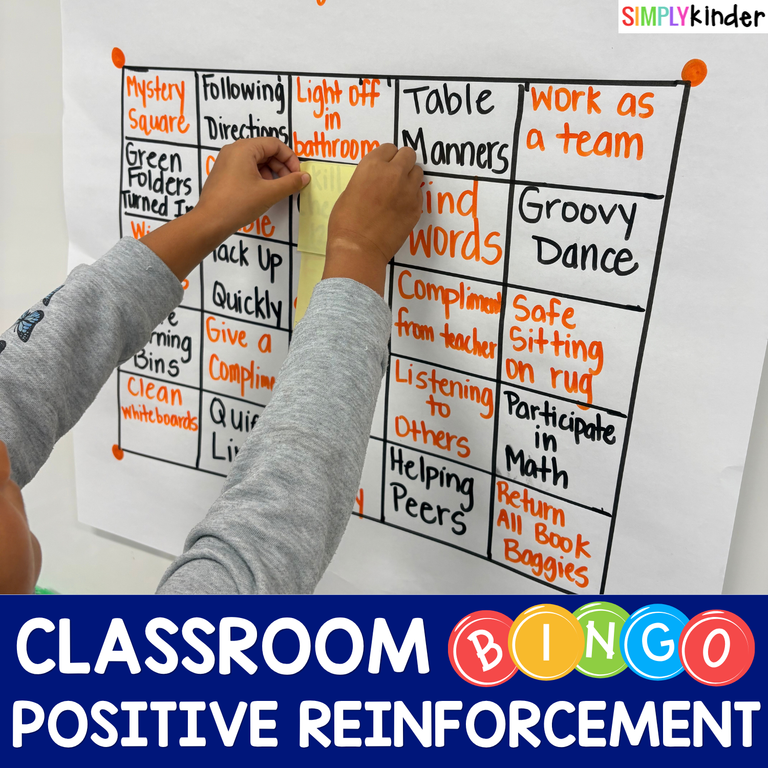
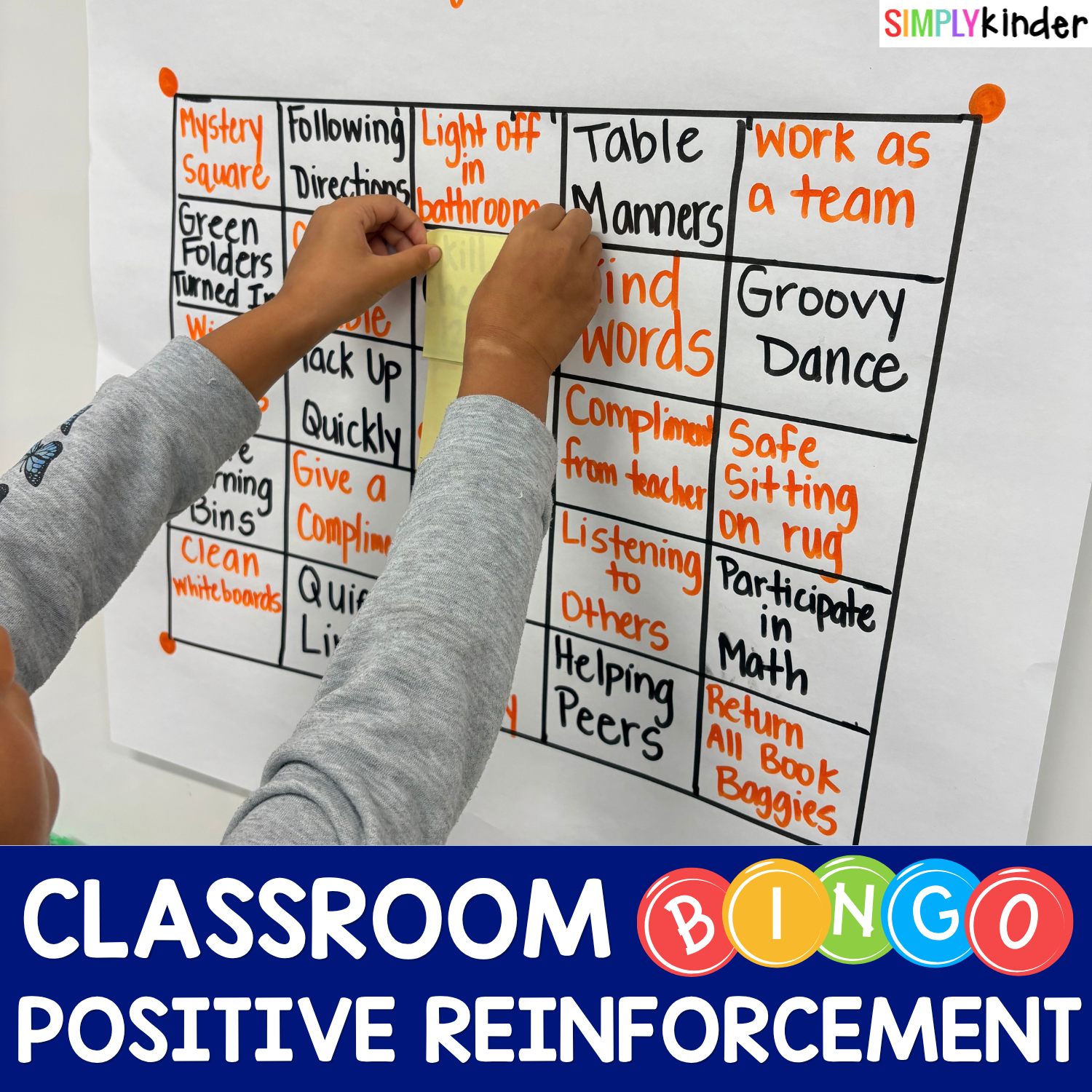
Classroom bingo is a whole-class positive reinforcement system. The entire class works together to complete a BINGO board.
Create a 5 by 5 board with positive behaviors, classroom goals, routines, or even fun challenges in each square.
When the class meets the goal in a square, mark it off. Once the class gets five squares in a row, they earn an incentive. This makes positive reinforcement visual, exciting, and easy for young learners to understand.
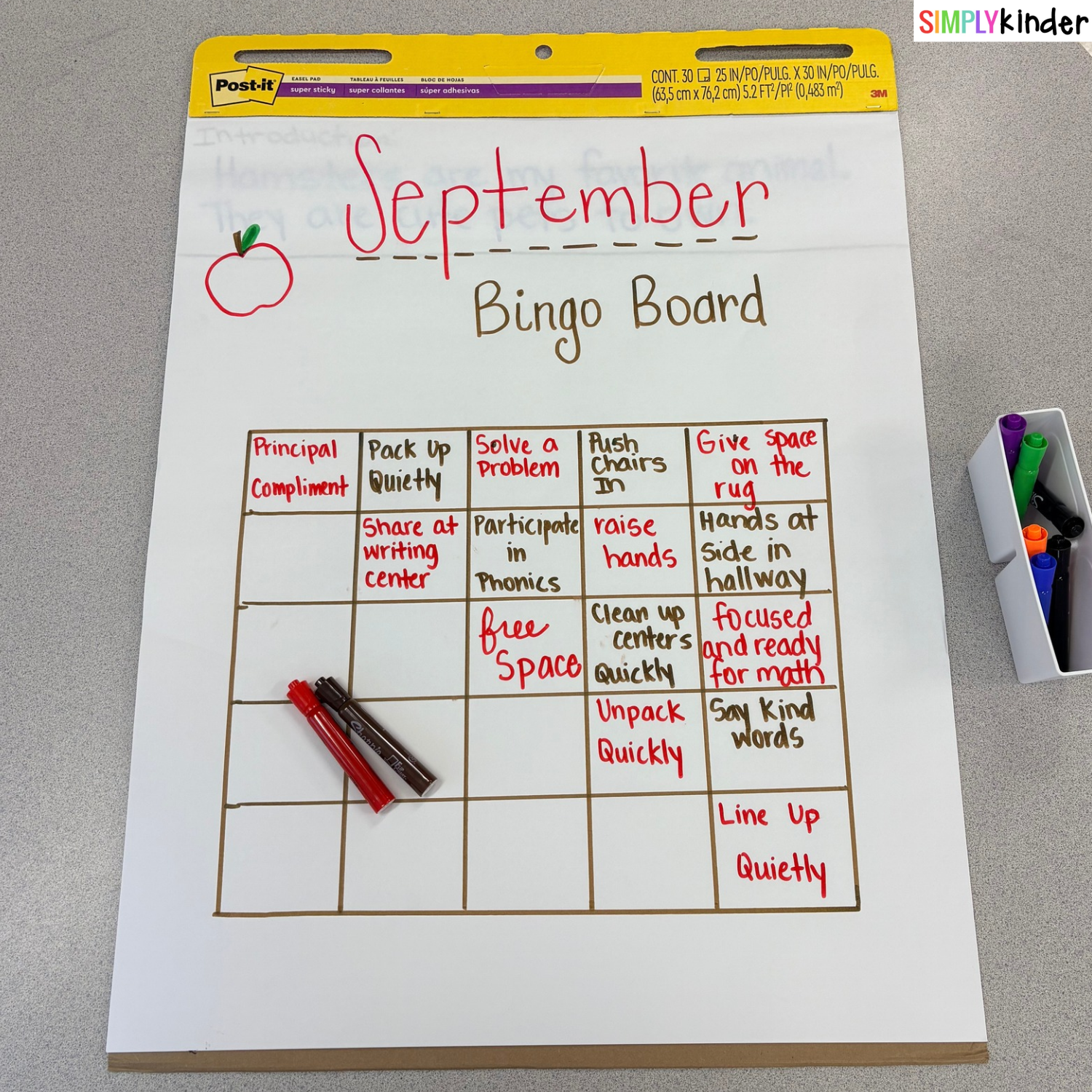
The beauty of classroom bingo is that it does not have to become another complicated classroom management system. Keep it simple and make it work for your students.
Before you make your BINGO board, think about the behaviors you want to see more often. Choose the little things that make your school day run more smoothly.
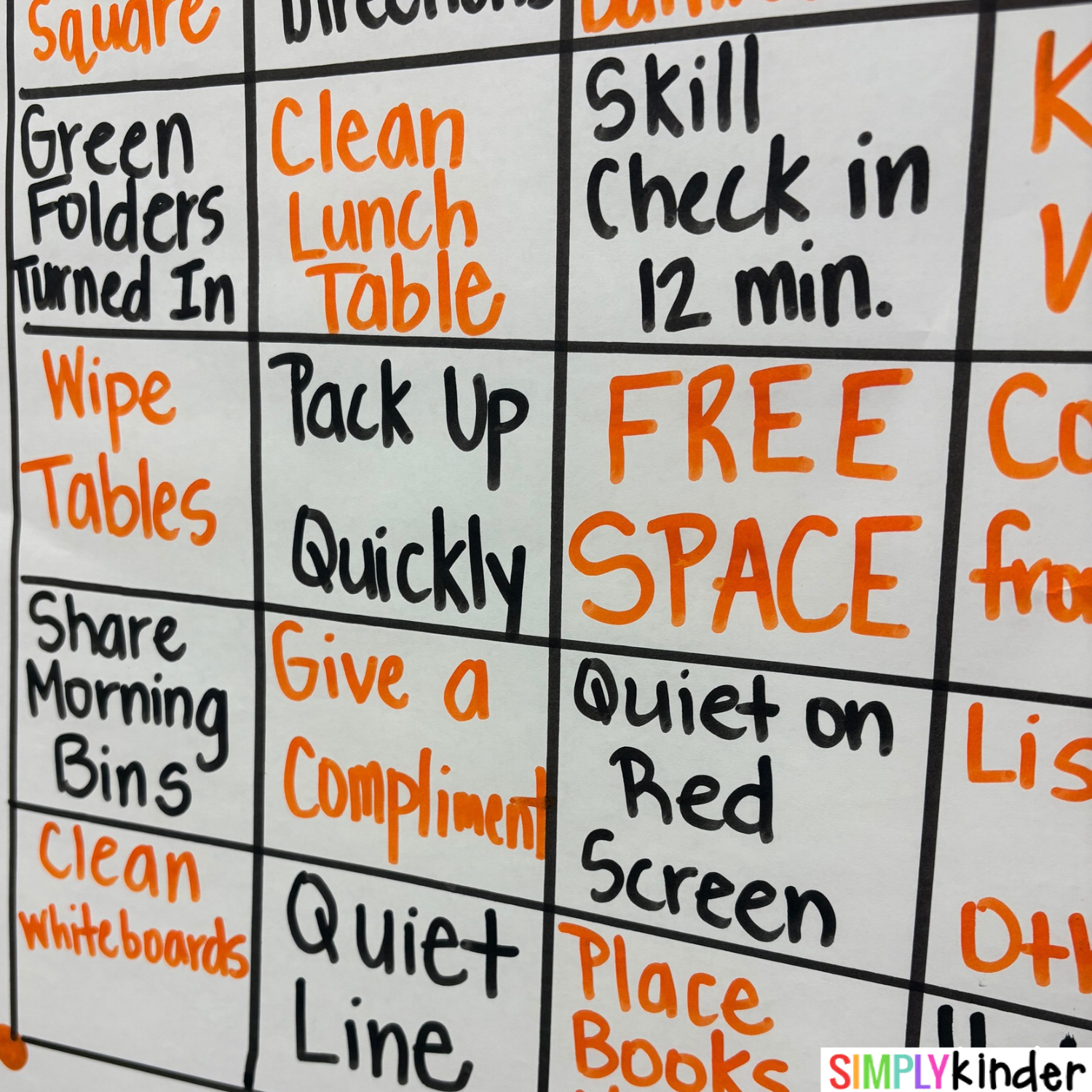
This is one of the best things about monthly classroom bingo. You can change your board based on the time of year and what your students need.
Your September board might focus on learning routines while October includes fun seasonal challenges.
Your November board might focus on kindness & gratitude, and December focus on teamwork and classroom community. By January, you can revisit routines that may need a little refresh.
This keeps the system from feeling overdone and gives you a natural opportunity to reset classroom expectations.
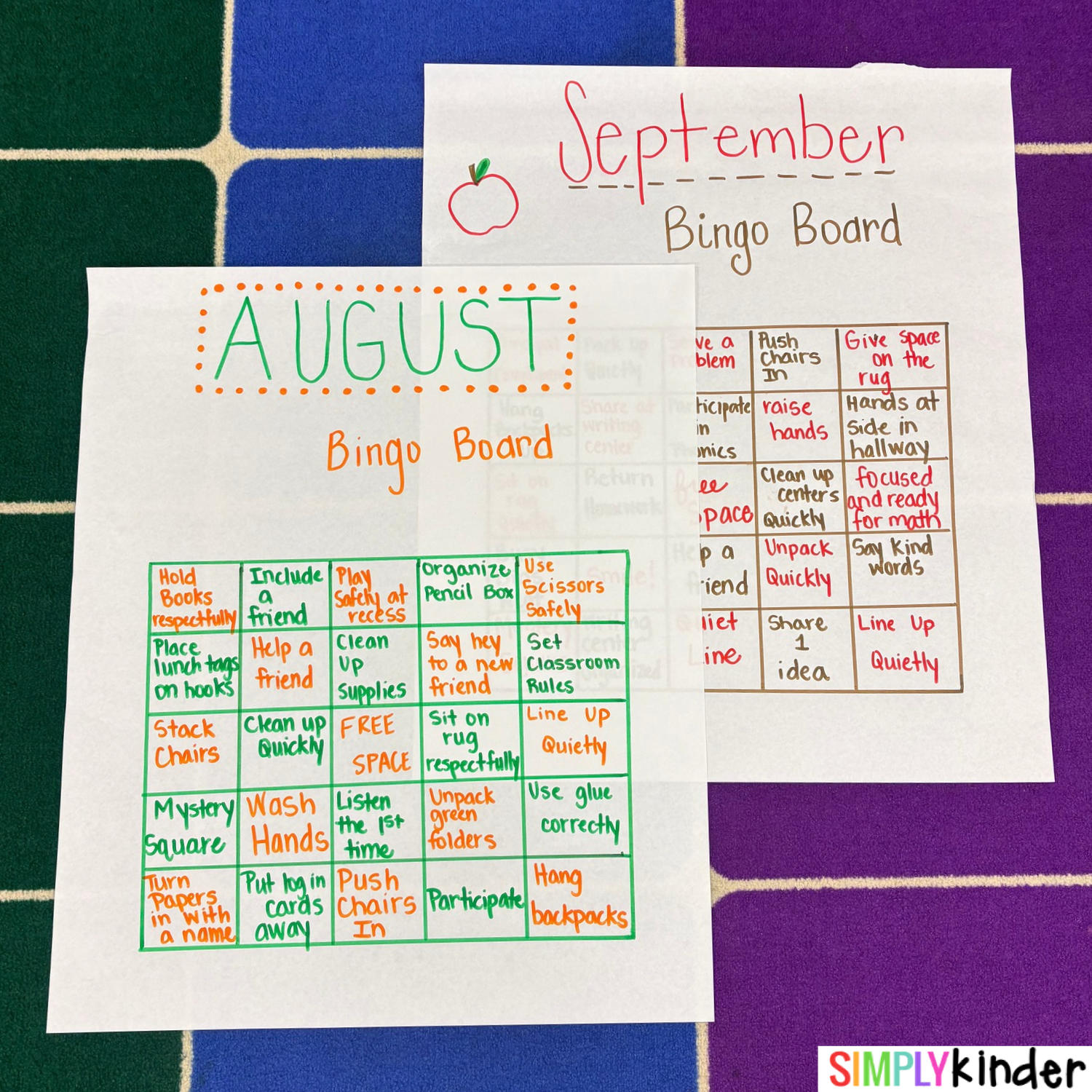
Try to avoid vague squares. Instead, make the behavior something students can actually understand and demonstrate.
Instead of: Be quiet
Try: Quiet hallway transition
Instead of: Be nice
Try: Use kind words with a friend
Instead of: Listen
Try: Everyone is ready when the teacher begins
Remember that kindergarten and first grade students are still learning classroom routines. Before you expect students to earn a square, make sure they know what the behavior looks and sounds like.
If your square says “Quick transition,” talk about what that means. You are not just rewarding the behavior. You are teaching the behavior too.
Put your BINGO board somewhere students can see it. The visual reminder can be enough to get students excited about working toward their next BINGO. You can even have a student help mark the square when the class earns it.
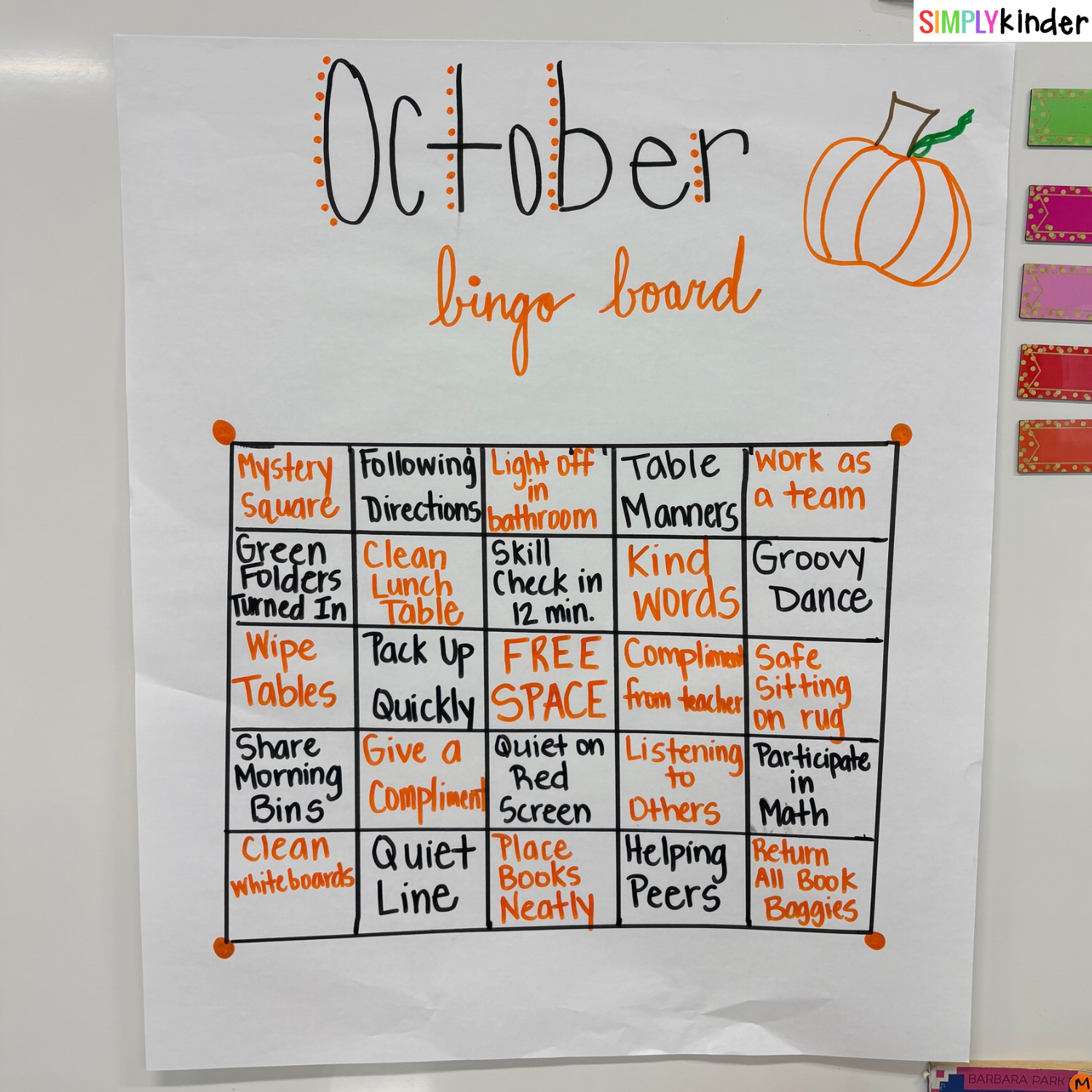
This is where you can really make classroom bingo work for your class. Choose squares based on the behaviors and routines you want to reinforce.
Here are some ideas to get you started.
You can also add a few fun squares like teacher wears something silly, class earns a mystery square, or everyone does a movement break.
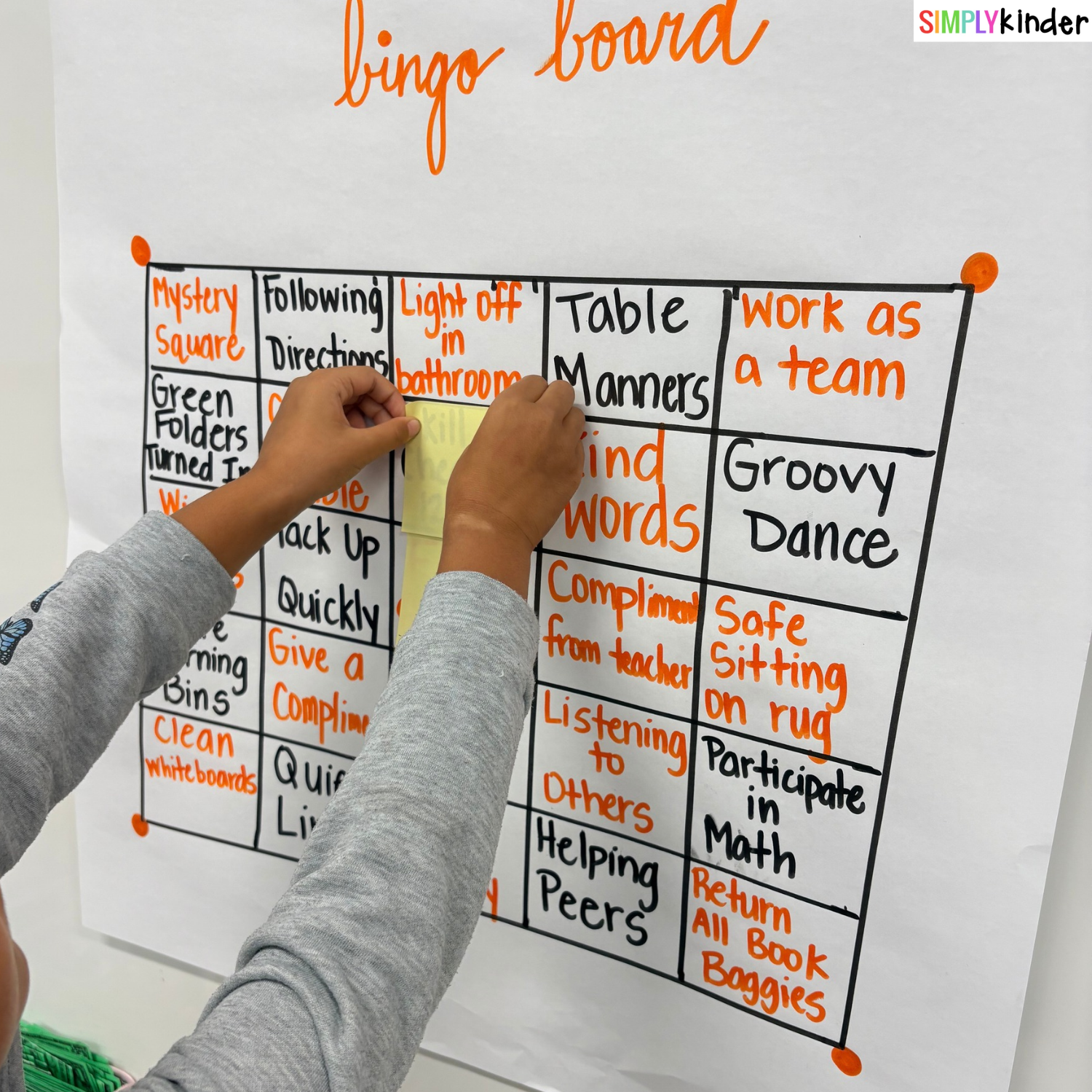
When students get five in a row, celebrate with a reward they can enjoy together.
Try:
The reward does not have to cost anything. Often, the most exciting rewards are simply extra time to do something students love.
The goal of classroom bingo is to help students notice and repeat positive behaviors. If you already use classroom management strategies such as visual expectations, specific praise, and classroom routines, BINGO can be an easy addition to your toolbox.